Scalp Micropigmentation

SMP for Alopecia Birmingham.

Whether you’re dealing with patchy areata, total loss, or hair that’s thinned from years of tight styling — SMP can give you back an even, consistent finish. Delivered personally at our Halesowen studio, with honest advice about what it will and won’t do.
★ ★ ★ ★ ★
100+ five-star reviews
10+ yrs
SMP experience
500+
Treatments delivered
Scalp micropigmentation for alopecia at Hair Savvy Studio, Birmingham
What SMP Does For Alopecia

It won’t treat the condition. It changes what people see.

Let’s be straight about this from the start: scalp micropigmentation is not a medical treatment for alopecia. It won’t regrow hair, slow the condition down, or change what’s happening under the skin. What it does is remove the contrast — the patches, the uneven edges, the pale scalp showing through — that makes alopecia visible to everyone else.

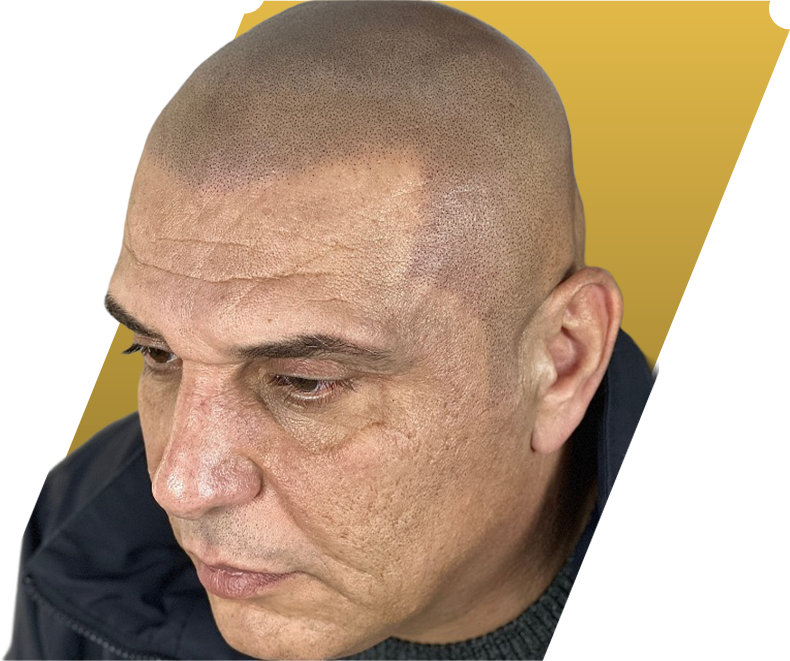
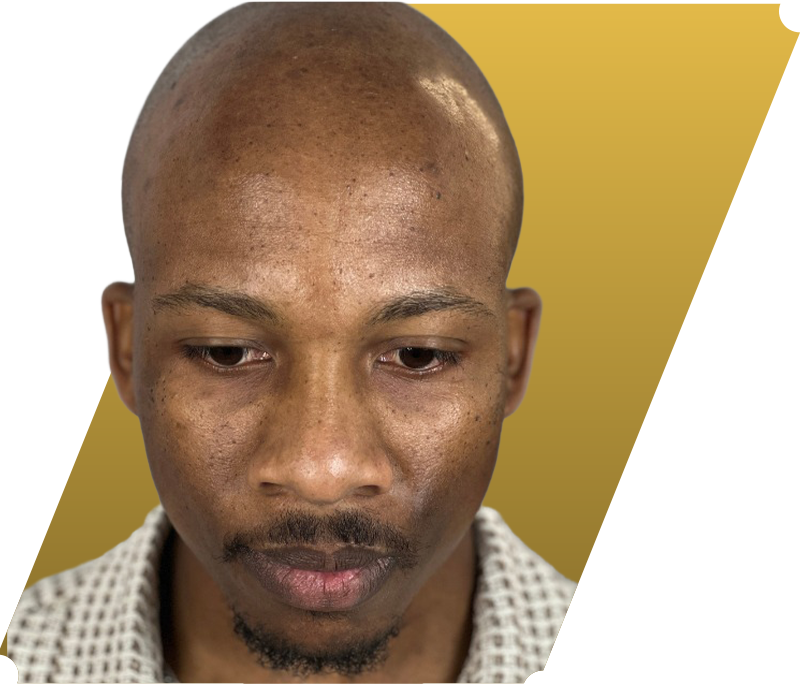
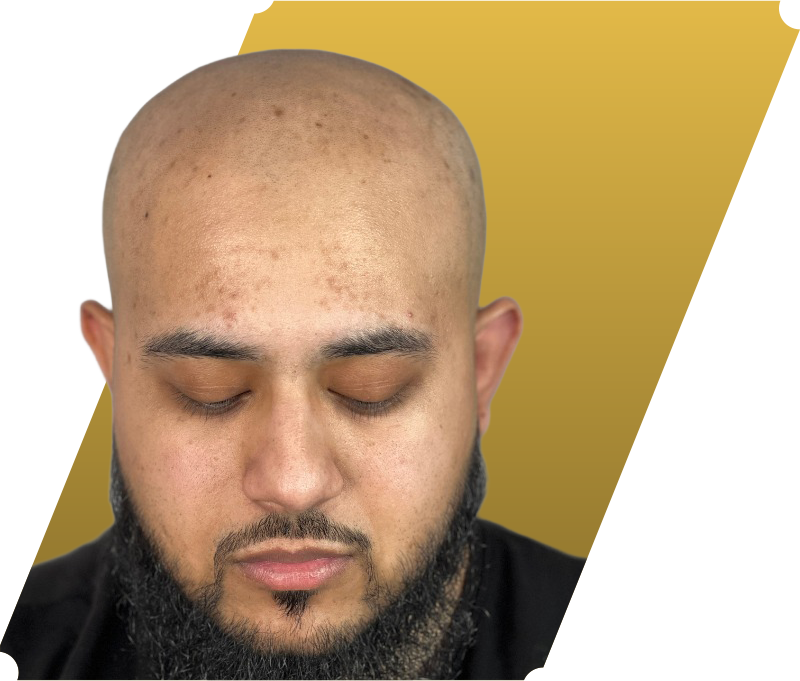
For patchy loss, pigment is placed to blend the bare areas into the surrounding hair until the boundary between the two stops registering. For total loss, we build an even shadow across the whole scalp, giving the clean, deliberate look of a closely shaved head rather than the look of hair that’s gone.

That distinction matters to most of our alopecia clients. There’s a real difference between looking like you’ve lost your hair and looking like you’ve chosen to shave it — and for a lot of people, that difference is the whole point.

Book a Free Consultation
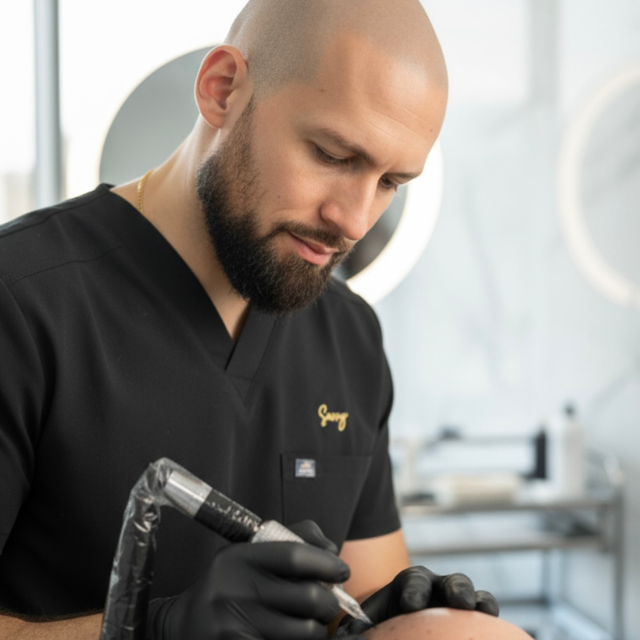
SMP treatment for alopecia at Hair Savvy Studio
!
Important — What You Should Know First

Alopecia areata is unpredictable. Hair can regrow in patches we’ve treated, and new patches can appear in areas we haven’t — which means a result that looks perfect today may need adjusting later. We’ll talk this through properly before you book anything, because going in with realistic expectations is the difference between being pleased with SMP and being disappointed by it.

If your hair loss is recent, still actively changing, or you haven’t yet had it looked at, please see your GP or a dermatologist first. Some forms of hair loss are treatable, and we’d rather you explored that before spending money with us. For scarring alopecias — frontal fibrosing, lichen planopilaris and similar — we’ll usually ask for written sign-off from your dermatologist confirming the condition is stable before we treat.

Types We Work With

Different patterns, different approaches.

“Alopecia” covers a lot of ground, and the right approach for one type is the wrong approach for another. Here’s how we handle the ones we see most.

Alopecia Areata (Patchy) Distinct bald patches within otherwise normal hair. We blend pigment into the patch and feather the edges so the boundary disappears — the most technically delicate work we do, because it has to match your existing hair exactly.
Alopecia Totalis Complete loss of scalp hair. We build a full, even shadow across the entire head, recreating the look of a closely shaved scalp with a hairline designed around your face rather than a template.
Alopecia Universalis Total loss across the scalp and body. The scalp approach is the same as totalis. Some clients also ask about eyebrow work — that’s a different discipline and we’ll refer you to a specialist we trust.
Diffuse & Female Pattern Loss Widespread thinning rather than distinct patches. Density work between existing strands closes the contrast gap. See our SMP for women page for more.
Traction Alopecia Loss along the hairline or parting from years of tight braids, weaves, extensions or ponytails. Often responds very well, provided the pulling has stopped and the follicles haven’t scarred over.
Scarring Alopecias Frontal fibrosing, lichen planopilaris, CCCA and similar. Treatable in many cases, but only once the condition is confirmed stable — we’ll ask for dermatologist sign-off and usually test a small area first.
Treatment Details
Sessions
2–4
Per Session
2–4 hrs
Downtime
Minimal
Before Top-Up
2–5 yrs
How It Works

From first conversation to finished result.

SMP is built in layers rather than applied in one go. With alopecia that matters even more than usual — it lets us see how your scalp holds pigment before committing to depth, and gives us room to adapt if the pattern shifts.

1

Free Consultation

We look at your scalp under proper light, ask about your history and how stable the loss has been, and give you a straight answer about whether SMP suits your pattern — including when it doesn’t.

2

First Session

The foundation layer, kept deliberately light. For patchy areata we start inside the patch and work outward; for total loss we map the hairline first. You’ll leave with a visible change that settles within a couple of days.

3

Building Sessions

One or two more, spaced 7–14 days apart. We add depth where the first pass has settled and adjust tone as we go. This is where it stops looking applied and starts looking like hair.

4

Aftercare & Adjustment

Written aftercare, minimal downtime, and an open door. With alopecia especially, come back if the pattern shifts — adjusting early is far easier than reworking a large area later.
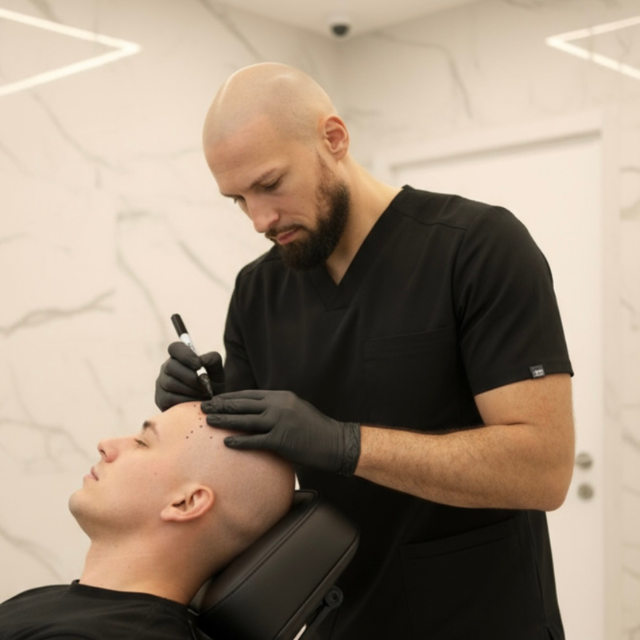
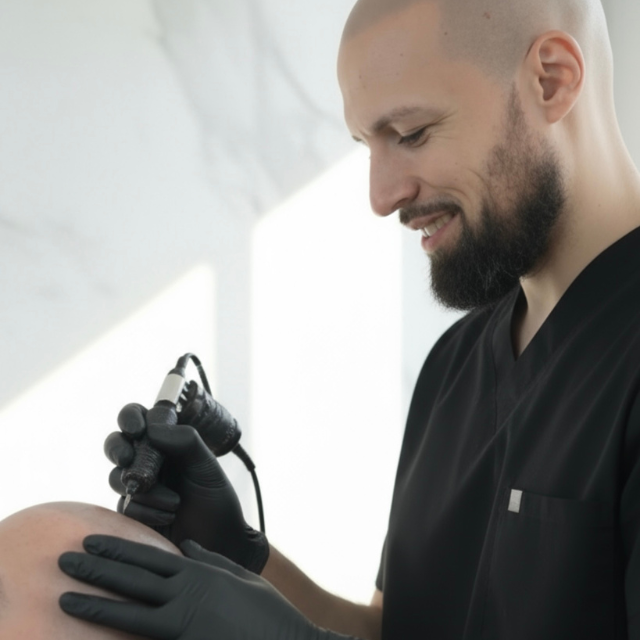
Alex McKenzie performing SMP at Hair Savvy Studio Birmingham
Why Hair Savvy

Why alopecia clients choose us.

  • We’ll tell you if it’s the wrong time. Active, rapidly changing loss is a reason to wait, not a reason to book. We say so.
  • Blending is the hard part, and we’re good at it. Matching pigment into an existing head of hair is far more demanding than a full shave-down. It’s where inexperienced work shows.
  • Pigment matched to how it ages. The reason old SMP turns blue is the wrong pigment in the wrong skin. We choose for year three, not day one.
  • The same person, every session. No handover halfway through a treatment plan.
  • Private, discreet studio. Free parking, and nobody sitting in a waiting room watching you arrive.
More about the studio
Real Results

Recent work from the studio.

Every result below was built one careful session at a time, on a real client, in this studio.
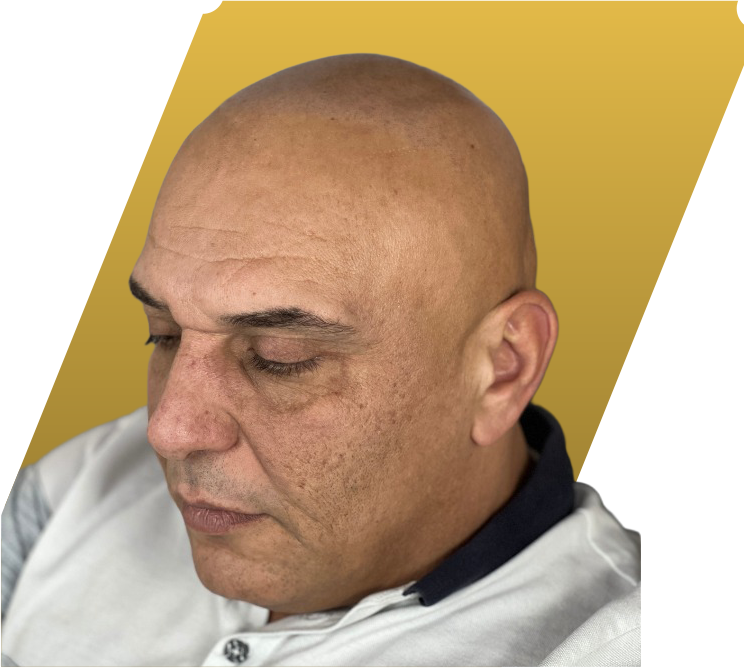
See Full Gallery
Client Stories

Don’t just take our word for it.

Real reviews from real clients across Birmingham and the wider West Midlands.

★★★★★

Sending a big thank you to Alex. My hair looks great — so natural looking. I went for a darker look to go with my tan and it looks great in all lights. If you want a natural-looking SMP, use Alex!

— Dominic Gucci
★★★★★

Went along with my son to get his SMP. Well done Alex — a dedicated and professional young man. My son is over the moon with the results. So nice not to see him wearing caps anymore. Looks so natural. Definitely 5 stars and more.

— Dave Morris
Frequently Asked

SMP for alopecia — your questions answered.

Can SMP cure or treat alopecia?
No, and anyone telling you otherwise isn’t being straight with you. SMP is entirely cosmetic — it changes how the scalp looks, not what’s happening underneath. It doesn’t regrow hair, slow the condition, or affect the follicles. For medical treatment of alopecia, see your GP or a dermatologist.
What if my hair grows back after treatment?
With areata, it can — and that’s a genuine consideration rather than a disaster. Regrowth through a treated area usually blends in reasonably well, since the pigment sits between where the hairs come through. Where it looks noticeably off, we can adjust at a top-up session. This is exactly why we spend time on expectations before you book.
What if new patches appear somewhere else?
Also possible with areata. New patches can be treated the same way, though it means additional sessions. Some clients with widespread or fast-moving areata decide a full shave-down look is the more stable choice than chasing individual patches — we’ll talk that trade-off through honestly with you.
Does SMP work for alopecia totalis and universalis?
Yes, and it’s often the most predictable alopecia work we do. With no existing hair to blend into, there’s no colour matching to get wrong and no pattern that might shift. We build an even shadow across the whole scalp with a hairline designed around your face, age and how you want to look.
Will it look obvious that I’ve had something done?
Not when it’s placed properly. SMP looks obvious when dots are too large, too uniform, too dark, or placed too deep — all technique problems. We build in light layers across multiple sessions specifically so we can stop before that point. Have a look through the results gallery and judge for yourself.
Does it hurt?
Most clients describe it as mild — noticeably less intense than a traditional tattoo, since we work shallow rather than deep. Bony areas near the hairline and temples tend to be the most sensitive. We work at a pace that keeps you comfortable and take breaks where they help.
I have scarring alopecia. Can you treat that?
Often yes, but with conditions attached. Scar tissue takes pigment differently to healthy scalp, so results can be less predictable and we’ll usually test a small area first. We also need the condition confirmed stable and inactive by a dermatologist before treating — pigmenting actively inflamed skin is not something we’ll do.
Does SMP work for alopecia in women?
Yes. Female alopecia is usually about adding density rather than recreating a shaved look, and our SMP artist Leaona Marie handles this work — see the SMP for women page for more on how that’s approached.
How much does it cost?
It depends on the area being covered and the number of sessions your plan needs — a couple of small patches is a very different job to full coverage. Current pricing is on our SMP prices page, and you’ll get a fixed figure for your specific plan at your free consultation.
Book Your Free Consultation

Honest advice,
no pressure to book.

Tell us a bit about your hair loss — how long it’s been going on, whether it’s still changing, and what you’re hoping for. We’ll come back with clear, straight information, including whether now is the right time.

Hair Savvy Studio · Unit 2, 28 Elizabeth Rd, Hasbury, Halesowen, Birmingham, B63 4BQ
Free parking on site · Junction 3, M5