
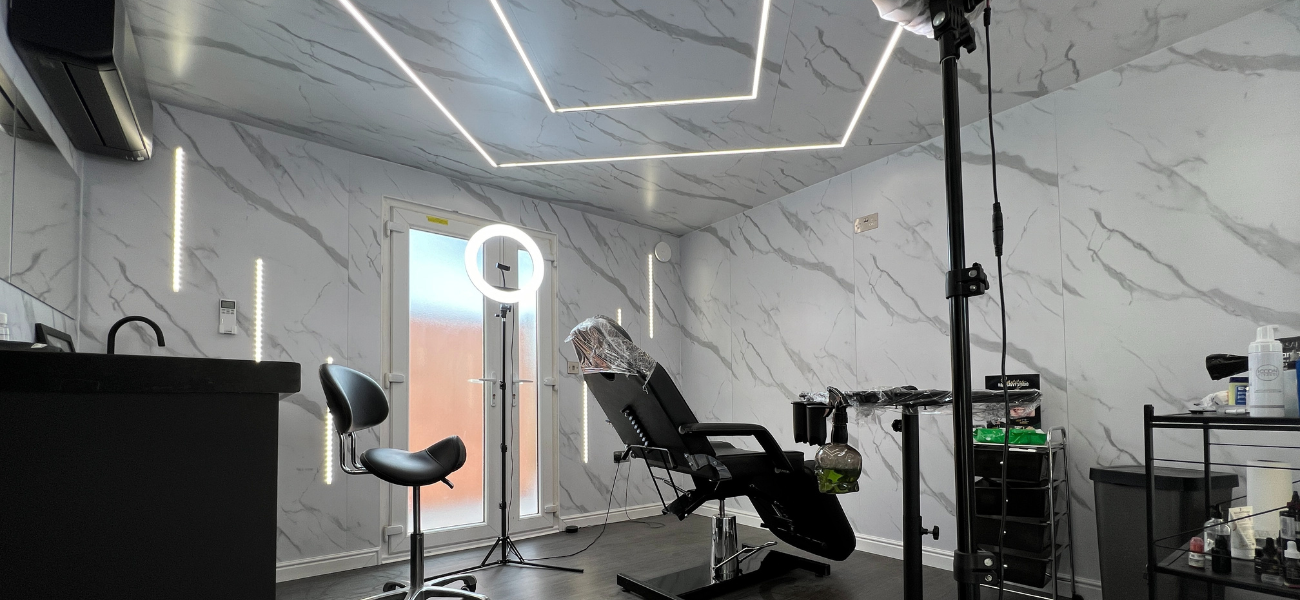
If you’ve got scalp micropigmentation you’re no longer happy with, the first thing worth knowing is that you’re not stuck with it. Pigments that’ve gone too dark, a hairline that was placed too low or too sharp, work that’s faded to a strange colour, or a job from another studio that never looked right, all of it can be lightened or removed with laser. We do it often.
This is a plain explanation of what laser SMP removal actually involves, who it suits, and what it can and can’t realistically do.
Why People Come in to Remove SMP
Done well, SMP looks like a full head of closely shaved hair and nobody can tell. When it’s not done well, or when it ages badly, it can knock your confidence as much as the hair loss did in the first place. The clients we see for removal usually fall into a few groups:
- The pigment was applied too dark or too saturated, so it shows as solid colour rather than individual follicles
- The hairline is too low, too straight or too harsh for their face and age
- The colour has turned blue, grey or green over time, which older or wrong type pigments can do
- The work has faded patchily, leaving some areas heavier than others
- It’s old and no longer matches how they wear their hair now
- It’s botched work from another clinic they want corrected
Some people want every trace gone. Plenty of others just want it faded back enough to lay down fresh, more natural SMP over a clean base. Both are completely normal reasons to come in.
What Laser Removal Actually Does
SMP pigment is sitting in the upper layers of your skin. A removal laser sends very short pulses of light into the scalp that are absorbed by that pigment and break it into much smaller particles. Your body then clears those particles away naturally over the following weeks through its own lymphatic system.
That’s the part people don’t always expect: the laser doesn’t “wipe” the pigment off the scalp there and then. It breaks it up, and your body does the actual removal in the weeks after each session. That’s also why removal is a gradual process done over several sessions rather than a single appointment.
Full Removal or Partial Fade?
This is the main decision, and it shapes everything else about your plan.
| Full removal | Partial fade | |
| Goal | Clear the scalp completely | Lighten enough to re-do SMP cleanly |
| Best for | Stopping SMP altogether, or heavily botched work | Correcting tone, density or hairline shape |
| Sessions | Multiple – you’re clearing everything | Fewer – you only fade to the right level |
| What follows | A bare, settled scalp | Fresh, more natural SMP on a clean base |
A lot of correction work only needs a partial fade. If your existing SMP is fundamentally fine but a bit too dark or the hairline sits slightly wrong, we often don’t need to remove all of it, just soften it enough to work over. We’ll talk through which route makes sense for you rather than defaulting to the most sessions.
How The Process Works
Our removal process runs in four straightforward stages:
- Consultation. We look closely at the scalp, the colour and saturation of the current pigment, how deep it sits and how long it’s been there, and we talk through what you actually want the end result to be. This is also where we’re honest about what’s realistic.
- A plan built around your scalp. Based on what we find, we recommend either a full removal or partial fading, roughly how many sessions it’s likely to take, and how they’ll be spaced. You’ll have a clear picture before anything starts.
- Progressive fading. We fade the pigment carefully across a series of sessions, prioritising the health of your scalp over rushing the result. Pushing too hard in one go is how skin gets damaged, so we don’t do it.
- Planning for the next step. Once the pigment is down to the level you wanted, we have the option to either leave the scalp clear, or move on to corrective SMP. Because we do both the removal and the application, we’re always fading with the next step in mind, not just removing pigment.
How Many Sessions Will I Need?
There’s no honest one-size answer, because it depends on your scalp. The main things that affect it are:
- How saturated and dark the existing pigment is
- How deep it was placed
- How long it’s been in your skin
- The type of pigment originally used
- Whether you want full removal or just a partial fade
Not all SMP fades at the same speed either. Different pigments and techniques respond differently to the laser, which is exactly why a tailored plan matters more than a number plucked out of the air. We’ll give you a realistic range at your consultation once we’ve seen what we’re working with.
What a Session and the Recovery Feel Like
A session itself is quick, usually around an hour depending on the area. You’ll feel the laser, and most people describe it as a sharp, hot pinging sensation rather than serious pain. It’s brief.
Straight after, the treated area will look red and may feel tender, a bit like mild sunburn. That surface reaction settles quickly, generally within a day or two. Then comes the waiting part: over the next few weeks, the broken down pigment clears and you see the fade. That’s why sessions are spaced several weeks apart rather than booked back to back, your skin needs to recover and your body needs time to do its job between each one.
Basic aftercare between sessions is simple: keep the area clean and dry early on, don’t pick at any scabbing, avoid swimming, saunas and heavy sweating for the first stretch, and keep it out of strong sun. We’ll give you the full instructions on the day.
Can I Get New SMP After Removal?
Yes, and it’s one of the most common reasons people have it done. Fading old or unwanted pigment first gives us a clean, even base to work on, which is how you get a more natural, better judged result the second time around. If your plan is removal followed by corrective SMP, we’ll sequence the whole thing so the two halves work together.
If Your SMP Was Done Somewhere Else
A fair number of our removal clients are fixing work from another clinic, heavy saturation, poor placement, or colour that’s shifted. That’s very common and nothing to feel awkward about. We treat it the same way as any other case: assess the scalp honestly, fade what needs fading, and plan the correction properly.
To Conclude
Laser removal is effective, but it isn’t magic, and anyone promising guaranteed total removal in a fixed number of sessions isn’t being straight with you. Some pigments lift cleanly; others are stubborn and take longer. Occasionally a faint shadow remains after a full removal. Our job is to fade safely, protect your scalp, and give you a realistic picture of the outcome before you commit, not to oversell it.
Want Us to Take a Look?
If you’re thinking about fading or removing old SMP, the best next step is a consultation so we can see the scalp properly and talk through whether full removal or a partial fade makes more sense for you.