
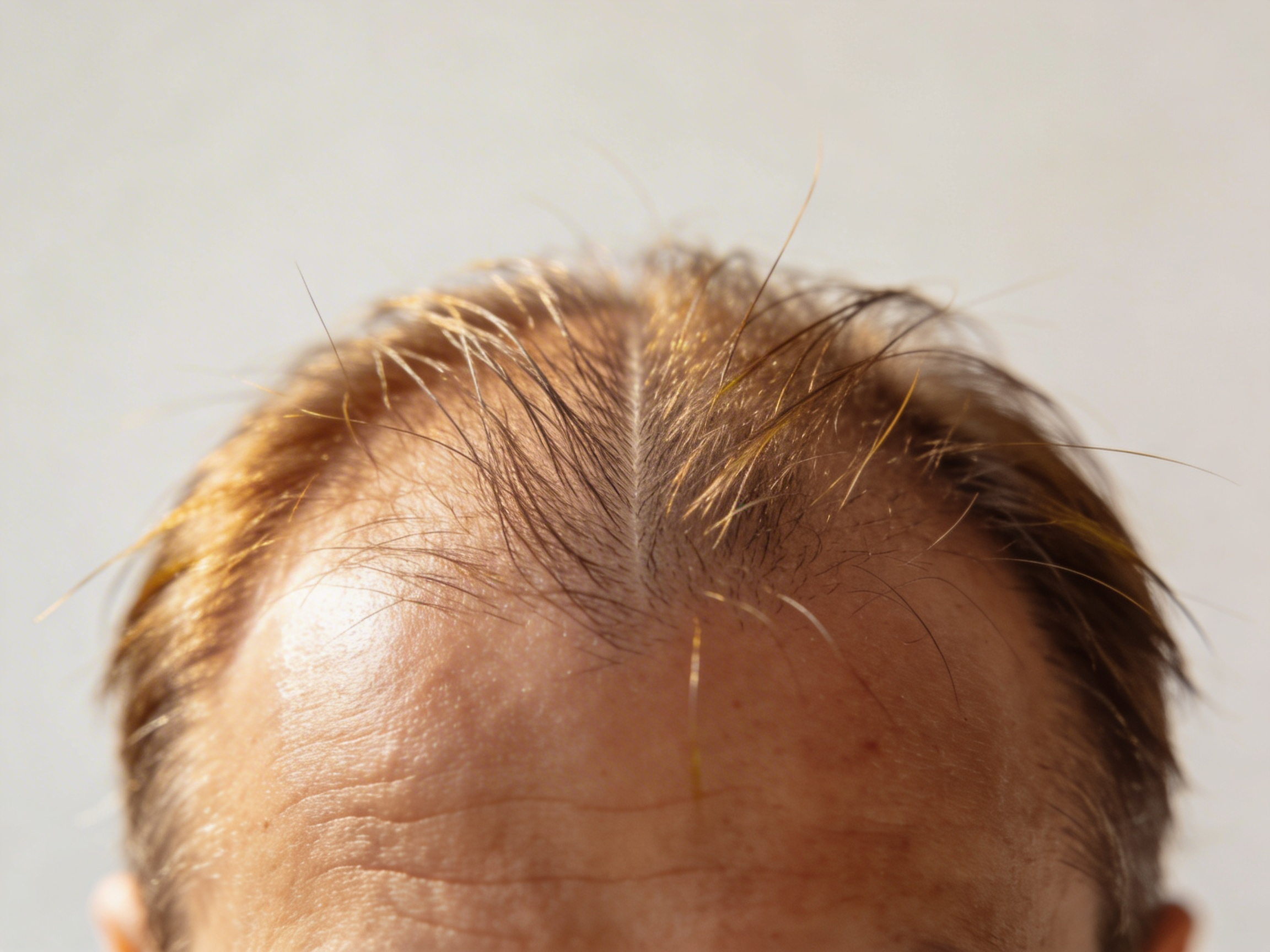
Hair thinning can affect anyone, regardless of age and gender, and it can have a real impact on confidence and self-esteem. At Hair Savvy Studio, we regularly support both men and women experiencing various stages of hair loss.
Understanding the cause of thinning hair is the first step towards choosing the right solution.
In this guide, we’ll break down the most common causes of hair thinning in men and women, and what you can do about it.
Genetics (Androgenetic Alopecia)
The most common cause of hair thinning is hereditary hair loss, medically known as androgenetic alopecia.
- In men, this often presents as a receding hairline or thinning at the crown (commonly called male pattern baldness).
- In women, it usually appears as overall thinning along the parting or at the crown.
This type of hair loss develops gradually and is influenced by hormones and family history. While it can’t be “cured,” there are effective solutions to restore the look of density and fullness.
Hormonal Changes
Hormones play a major role in hair growth cycles. Hair thinning is commonly triggered by:
- Pregnancy and postpartum changes
- Menopause
- Thyroid imbalances
- Polycystic ovary syndrome (PCOS)
For women especially, hormonal shifts can cause temporary or long-term thinning. Identifying the underlying imbalance with a GP is often the first step.
Stress & Lifestyle Factors
stress levels can push hair follicles into a resting phase, a condition known as telogen effluvium. This can lead to noticeable shedding several months after a stressful event.
Triggers may include:
- Emotional stress
- Illness or surgery
- Rapid weight loss
- Major life changes
The good news? Stress-related hair thinning is often temporary once the body recovers.
Nutritional Deficiencies
Healthy hair needs the right nutrients. Deficiencies in:
- Iron
- Vitamin D
- Biotin
- Protein
can all contribute to thinning or excessive shedding. A balanced diet and, where necessary, professional guidance can help restore healthy growth.
Medical Conditions & Medications
Certain medical conditions can affect hair density, including:
- Thyroid disorders
- Autoimmune conditions
- Anaemia
Some medications (including certain antidepressants, blood pressure medication, and chemotherapy) can also cause hair thinning as a side effect.
If you notice sudden or severe hair loss, it’s important to seek medical advice.
When Should You Seek Help?
If you’re noticing:
- Gradual thinning at the crown or hairline
- Increased shedding in the shower or on your brush
- Widening partings
- Visible scalp in certain lighting
It may be time to explore professional advice and treatment options.
What Are Your Options?
The right solution depends on the cause and severity of your hair thinning. Options may include:
- Lifestyle and nutritional support
- Medical treatments (via your GP)
- Cosmetic density solutions
- Scalp Micropigmentation (SMP) to create the appearance of fuller, thicker hair
At Hair Savvy Studio, we specialise in non-surgical hair density solutions designed to restore confidence naturally and realistically.
Final Thoughts
Hair thinning is common, and you’re not alone. Whether it’s genetic, hormonal, stress-related, or lifestyle-induced, understanding the root cause helps you make informed decisions.
If you’re unsure what’s causing your hair thinning, booking a consultation can help clarify your options and create a plan tailored to you.